

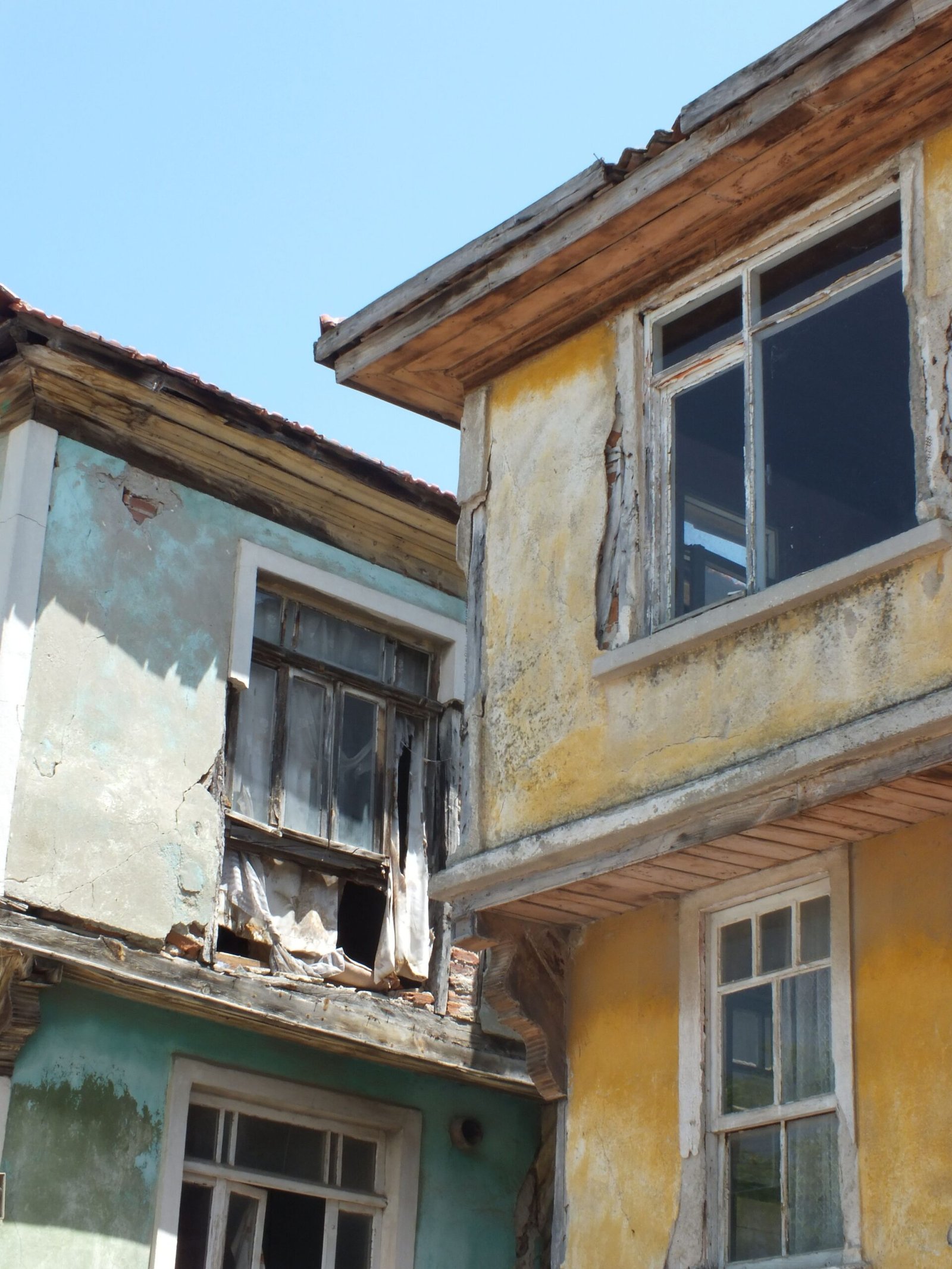

Understanding Housing Disrepair Claims, Landlord Repair Obligations, Tenant Rights and Compensation
Housing disrepair is one of the most common causes of disputes between landlords and tenants in England. Problems such as persistent damp and mould, leaking roofs, defective heating systems, broken windows, plumbing failures and unsafe electrical installations can affect a property’s condition, reduce its value and, in serious cases, put occupants’ health and safety at risk.
Understanding disrepair law in England is essential for both landlords and tenants.
Landlords must understand their legal responsibilities for maintaining rental properties, responding to repair requests and providing safe accommodation.
Meanwhile, tenants need to know how to report disrepair, gather evidence, escalate unresolved problems and pursue appropriate legal remedies where necessary.
This complete guide explains the main housing disrepair laws in England, the responsibilities of landlords and tenants, how to make a housing disrepair claim, when compensation may be available and what practical steps both parties should take to resolve disputes.
Whether you are a private landlord, a housing association tenant, a council tenant or a property professional, this guide provides an overview of the legal framework governing housing disrepair.
What Is Housing Disrepair?
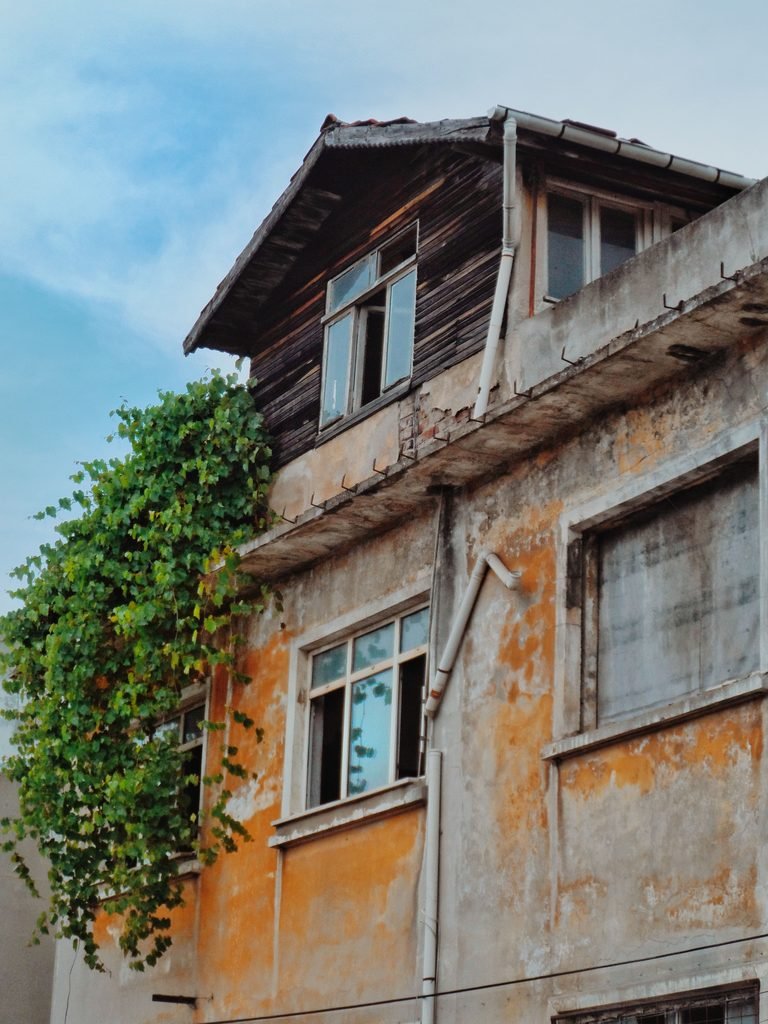
Housing disrepair refers to a property’s physical deterioration or defective condition where repairs are needed to maintain the building, its installations or its essential facilities.
A property may be affected by disrepair when the landlord fails to carry out repairs that they are legally responsible for, particularly after becoming aware of a problem.
Common examples of housing disrepair include:
- Damp and mould: Persistent damp, water ingress, condensation-related mould or penetrating damp that may indicate a building defect.
- Roof leaks: Damaged roof coverings, defective flashing, blocked gutters or water entering the property.
- Plumbing problems: Leaking pipes, defective water supplies, broken toilets or drainage failures.
- Heating and hot water failures: Defective boilers, broken radiators or inadequate hot water caused by faulty installations.
- Electrical defects: Unsafe wiring, defective sockets or other electrical hazards.
- Structural problems: Cracked walls, unstable floors, defective ceilings or damaged foundations.
- Faulty windows and doors: Broken glazing, defective frames or external doors that cannot be secured properly.
- Poor ventilation: Defective extractor fans or other building problems contributing to unhealthy internal conditions.
- Unsafe common areas: Defective communal staircases, damaged handrails or other hazards in shared parts of a building where the landlord is responsible.
Not every maintenance issue automatically amounts to a legal claim. The relevant questions include who is responsible for the repair, the seriousness of the defect, whether the landlord knew or should have known about it, and whether the property has become unsuitable for occupation.
The author, Alpha Jalloh, is a lawyer, journalist and media consultant. He is a solicitor practising in England and Wales. You can contact him via email at info@alphausjalloh.com.
The Main Laws Governing Housing Disrepair in England
Several pieces of legislation establish landlords’ repair obligations and tenants’ rights. The applicable rules depend on the type of tenancy, the property and the circumstances of the disrepair.
1. Landlord and Tenant Act 1985
The Landlord and Tenant Act 1985 is one of the principal statutes governing residential property repairs in England.
Section 11 generally implies repairing obligations into qualifying leases and tenancies with a term of less than seven years. These obligations require the landlord to keep in repair:
- The structure and exterior of the dwelling, including relevant drains, gutters and external pipes.
- Installations for supplying water, gas and electricity.
- Installations for sanitation, including sinks, baths and toilets.
- Installations for space heating and heating water.
The precise scope of the obligation depends on the statutory wording, the tenancy and the installation concerned. Section 11 generally requires the landlord to keep relevant installations in repair and proper working order, rather than guaranteeing that every appliance or item within the property is new or modern.
A landlord will not necessarily be liable for every defect from the moment it appears. The landlord’s knowledge of the problem, the nature of the defect and the reasonable opportunity to carry out repairs may be important.
Why it matters: Section 11 is a key starting point when determining whether a landlord has failed to meet their legal repair obligations.
2. Homes (Fitness for Human Habitation) Act 2018
The Homes (Fitness for Human Habitation) Act 2018 amended the Landlord and Tenant Act 1985 to strengthen tenants’ ability to challenge unsuitable living conditions.
Under sections 9A to 9C of the amended legislation, qualifying landlords must ensure that a rented property is fit for human habitation at the beginning of the tenancy and remains fit throughout the relevant tenancy.
Fitness for habitation is assessed by reference to the property’s condition and factors including:
- Structural stability.
- Freedom from serious damp.
- Natural lighting and ventilation.
- Water supply and drainage.
- Sanitary facilities.
- Facilities for preparing food.
- Relevant health and safety hazards prescribed by law.
A property may be unfit for human habitation even where a problem does not fall neatly within an ordinary repair obligation.
For example, a combination of persistent damp, inadequate ventilation and unsafe conditions may make a property unsuitable for occupation, depending on the evidence and severity of the defects.
Where the legal requirements are met, a tenant may bring a claim seeking a court order requiring remedial work and/or compensation.
3. Housing Act 2004 and the Housing Health and Safety Rating System
The Housing Act 2004 provides a framework for local authorities to assess housing hazards through the Housing Health and Safety Rating System (HHSRS).
The system considers potential risks to occupiers arising from the condition of a property.
Relevant hazards can include:
- Damp and mould growth.
- Excess cold or excess heat.
- Electrical hazards.
- Fire risks.
- Falls on stairs or uneven surfaces.
- Structural collapse and falling elements.
- Unsafe sanitation or inadequate facilities.
Where a local authority identifies a serious hazard, it may use its statutory enforcement powers, depending on the circumstances and the applicable legal requirements.
Possible action includes improvement notices, prohibition orders or other enforcement measures.
A tenant does not necessarily need an HHSRS assessment before bringing a private housing disrepair claim. However, an inspection or formal council report can provide useful evidence.
4. Environmental Protection Act 1990
In certain circumstances, the Environmental Protection Act 1990 may provide another route for addressing serious housing conditions.
A local authority may investigate a statutory nuisance, which can include certain premises-related conditions that are prejudicial to health or constitute a nuisance.
Whether this legislation applies depends on the particular facts. It should not be assumed that every instance of damp, mould or disrepair qualifies as a statutory nuisance.
5. The Renters’ Rights Act 2025
The Renters’ Rights Act 2025 introduced significant changes to England’s private rented sector, with its principal reforms taking effect on 1 May 2026.
The reforms affect the wider landlord-and-tenant relationship, including tenancy arrangements and the legal framework governing private renting.
However, the Act should not be treated as replacing the core repair obligations established by the Landlord and Tenant Act 1985 or the fitness requirements under the Homes (Fitness for Human Habitation) Act 2018.
For landlords, the practical priority remains maintaining the property, complying with applicable safety requirements and addressing reported defects appropriately.
For tenants, the central principles of reporting disrepair, retaining evidence and pursuing suitable remedies continue to be important.
The precise legal route available in an individual dispute will depend on the tenancy, the nature of the defect and the legislation applicable to the circumstances.
The author, Alpha Jalloh, is a lawyer, journalist and media consultant. He is a solicitor practising in England and Wales. You can contact him via email at info@alphausjalloh.com.
What Are a Landlord’s Responsibilities for Repairs?
Landlords in England have legal obligations to maintain qualifying rented properties and deal with certain defects.
These responsibilities cannot generally be avoided simply by including a clause in the tenancy agreement stating that the tenant is responsible for all repairs.
Structural and exterior repairs
Landlords are generally responsible for relevant structural and external elements, including:
- Roofs and external walls.
- Foundations and structural components.
- External drains and gutters falling within the applicable obligations.
- Defective external pipes.
- Building defects that allow water to enter the property.
The precise boundary between the landlord’s and tenant’s responsibilities depends on the applicable law, the tenancy and the location of the defect.
Plumbing, water and sanitation
Landlords are generally responsible for qualifying water supply and sanitation installations, including relevant pipework, sinks, baths, toilets and drainage installations.
For example, a landlord may be responsible for repairing a defective water pipe that causes a leak, rather than expecting the tenant to fund the repair.
Tenants may nevertheless be liable where damage has been caused by their own actions or negligence, depending on the circumstances.
Heating and hot water
A landlord will generally need to repair relevant space-heating and hot-water installations covered by the statutory obligations.
A broken boiler can be particularly serious during cold weather or where a vulnerable occupant is affected.
The appropriate response time depends on the urgency, severity and circumstances of the failure. There is no single statutory deadline that applies to every type of repair.
Electrical and gas safety
Landlords must also comply with applicable gas and electrical safety legislation.
Unsafe wiring, defective electrical installations and dangerous gas appliances should be treated as urgent safety issues.
The exact inspection, testing and certification requirements depend on the applicable regulations and property circumstances.
Damp and mould
Damp and mould can be among the most contentious housing disrepair issues.
A landlord may need to investigate and remedy an underlying cause such as:
- Roof or pipe leaks.
- Penetrating damp.
- Defective external walls.
- Rising damp where properly diagnosed.
- Faulty ventilation installations.
- Building defects contributing to persistent moisture.
Condensation can also be affected by heating, ventilation and moisture production within the home. The cause should be assessed rather than assumed.
A landlord should not automatically blame a tenant’s lifestyle without investigating credible evidence of structural or ventilation defects. Equally, a tenant may need to take reasonable steps to ventilate and heat the property where appropriate.
The key issue is whether the conditions result from a defect or hazard for which the landlord is legally responsible, and whether the landlord has met the applicable obligations.
Repairs to communal areas
Landlords may also have responsibilities for relevant shared areas, such as staircases, corridors and common installations.
In leasehold flats, responsibility can be more complicated because the freeholder, managing agent, leaseholder or management company may control different parts of the building.
The lease, statutory obligations and ownership arrangements should be reviewed before deciding who must carry out the work.
The author, Alpha Jalloh, is a lawyer, journalist and media consultant. He is a solicitor practising in England and Wales. You can contact him via email at info@alphausjalloh.com.
What Are a Tenant’s Rights When a Property Is in Disrepair?
Tenants have several potential rights when their rented accommodation is affected by disrepair.
The right to necessary repairs
Where the landlord is legally responsible for a defect, the tenant can report the problem and request that the landlord carries out the required work.
A tenant should describe the issue clearly and explain any relevant consequences, such as water entering electrical fittings, loss of heating or mould affecting a bedroom.
The right to a safe and suitable home
Qualifying tenants may rely on the fitness-for-human-habitation requirements where the property’s condition makes it unsuitable for occupation.
Whether a property is legally unfit depends on the evidence and the seriousness of the conditions. A minor cosmetic defect will not automatically meet the legal threshold.
The right to contact the local council
If serious hazards remain unresolved, tenants can contact their local authority’s environmental health or private-sector housing team.
The council may inspect the property and consider whether formal action is appropriate.
The right to seek compensation
Depending on the legal basis and evidence, a tenant may be able to seek compensation for matters such as:
- Loss of use or enjoyment of parts of the home.
- Disruption caused by the disrepair.
- Damage to personal belongings.
- Certain additional expenses or other proven losses.
- Personal injury, where the relevant legal requirements are satisfied.
Compensation is not automatic. Liability, causation, evidence, the length and severity of the problem and any relevant defences must be considered.
The right to raise concerns without unlawful retaliation
Tenants should be able to report genuine repair problems and seek advice about their rights.
If a landlord threatens eviction or other adverse action after a complaint, the tenant should obtain advice about the applicable tenancy rules and any statutory protections.
The legal position can depend on the type of tenancy, the notice or action used and the circumstances. A repair complaint does not make every subsequent possession action automatically unlawful.
How to Make a Housing Disrepair Claim in England
A housing disrepair claim is a legal claim concerning a landlord’s alleged failure to meet applicable repair or housing-condition obligations.
The following steps can help tenants establish the facts and pursue an appropriate resolution.
Step 1: Identify the disrepair
Make a detailed list of all defects in the property.
Record when each problem first appeared, whether it has worsened and which rooms or installations are affected.
For example, instead of simply recording “mould in bedroom”, describe the location, extent, possible source of moisture and any damage to the wall, ceiling or belongings.
Step 2: Notify the landlord in writing
Send the landlord or managing agent a written repair request.
Email is often useful because it creates a dated record. If a repair has already been reported verbally, confirm the details in writing.
Include:
- The nature and location of each defect.
- The date it was discovered.
- Photographs or videos, where appropriate.
- Any relevant health or safety concerns.
- A request for inspection and remedial work.
- A request for confirmation of the proposed timetable.
For urgent hazards, use the landlord’s emergency reporting process and contact the relevant emergency service where necessary.
Step 3: Give reasonable access for repairs
Tenants should generally cooperate with reasonable arrangements for inspection and repair work.
Landlords normally need to provide at least 24 hours’ notice before entering to inspect or carry out repairs, and visits should be at a reasonable time, except where an emergency justifies immediate access or different arrangements apply.
Keep a record of appointments and explain promptly if a proposed time is not practical.
Step 4: Gather evidence
Evidence can be crucial in a housing disrepair dispute.
Useful material may include:
- Dated photographs and videos.
- Emails, letters and text messages.
- A timeline of reported defects.
- Repair logs and appointment records.
- Receipts for damaged belongings or additional expenses.
- Relevant medical evidence, if a health impact is alleged.
- Reports from suitably qualified surveyors or experts.
- Council inspection reports or enforcement notices.
Evidence should be preserved in its original form wherever possible.
Step 5: Obtain independent advice
If the landlord fails to resolve the problem, a tenant may wish to contact a housing solicitor, a regulated legal adviser or an appropriate housing advice service.
An adviser can assess the strength of the case, identify the relevant legal duties and explain possible costs, funding arrangements and risks.
Not every repair dispute needs court proceedings. A clear written complaint, inspection or negotiated repair agreement may resolve the issue more quickly.
Step 6: Consider formal legal action
Where informal resolution fails, a claim may be appropriate.
Depending on the facts, the tenant may seek:
- An order requiring necessary repairs.
- Compensation for proven losses or loss of amenity.
- A remedy for breach of the fitness-for-human-habitation requirements.
- Other relief available under the applicable legal framework.
Court proceedings should be considered carefully, particularly where expert evidence is needed or the parties disagree about the cause of the defect.
Can Tenants Claim Compensation for Housing Disrepair?
Yes, compensation may be available in qualifying housing disrepair cases, but there is no universal payment for every defect.
The amount depends on the circumstances, including the seriousness of the disrepair, how long it lasted, the rooms affected, the effect on the tenant and the legal basis of the claim.
Factors that may affect compensation
A court or settlement assessment may consider:
- The severity of the defect.
- The duration of the disrepair.
- Whether bedrooms, kitchens, bathrooms or living areas were affected.
- The extent to which the tenant could use and enjoy the property.
- Whether belongings were damaged.
- Whether additional expenses were reasonably incurred.
- Whether a personal injury claim is supported by appropriate evidence.
- The landlord’s knowledge of the problem and response to it.
Is compensation calculated as a percentage of rent?
In some claims, loss of amenity is assessed by reference to a proportion of the rent for the affected period. This is one possible approach, not a guaranteed formula.
For example, a serious leak that makes a bedroom unusable for an extended period may support a different assessment from a minor defect that causes limited inconvenience.
Any calculation must reflect the facts and relevant legal principles. There is no fixed compensation amount that automatically applies to damp, mould, leaks or other individual defects.
Can tenants claim for damaged belongings?
Potentially, yes.
Where the landlord is legally liable and the relevant requirements are met, tenants may be able to recover reasonable losses for damaged furniture, clothing, electrical goods or other possessions.
Photographs, purchase records, repair estimates and replacement receipts may help establish the extent of the loss.
Can tenants claim for health problems?
A tenant may have a separate or related personal injury claim where the legal requirements are satisfied and there is sufficient evidence connecting the relevant breach or defect to the injury.
Medical evidence may be important. The presence of mould or damp does not, by itself, prove that every reported health problem was caused by the property.
How Long Do Housing Disrepair Claims Take?
There is no single timetable for all housing disrepair claims.
A straightforward repair dispute may be resolved within weeks if the landlord accepts responsibility and arranges the necessary work.
More complicated cases can take several months or longer, especially where:
- The source of the defect is disputed.
- Specialist inspection or expert evidence is required.
- The parties disagree about the scope of repairs.
- Compensation is disputed.
- Court proceedings become necessary.
Urgent safety concerns should be addressed without waiting for a compensation claim to conclude.
Tenants should also be aware that legal limitation periods apply to many claims. The relevant deadline depends on the legal basis and facts, so advice should be obtained promptly rather than assuming that a claim can be brought indefinitely.
Can a Landlord Evict a Tenant for Reporting Disrepair?
A landlord cannot simply disregard applicable tenant protections because a tenant has complained about repairs.
However, the legal position is more nuanced than saying that every eviction following a repair complaint is prohibited.
Since 1 May 2026, England’s private rented sector has operated under major reforms introduced by the Renters’ Rights Act 2025. The applicable possession grounds, notice requirements and procedures depend on the tenancy and circumstances.
Some statutory protections may apply where a tenant has made a qualifying complaint about the condition of the property. The availability of those protections depends on the facts and the applicable legal requirements.
Tenants who receive a possession notice after raising a disrepair issue should seek prompt advice. They should not assume that a notice is valid or invalid without checking the relevant rules.
Landlords should follow the correct legal process for any possession action and should not use threats or unlawful conduct to avoid legitimate repair obligations.
What Happens If a Landlord Refuses to Carry Out Repairs?
Where a landlord fails to address disrepair, tenants have several potential routes for escalation.
Contact the landlord or managing agent again
Send a clear written follow-up referring to previous reports and attaching relevant evidence.
Explain whether the problem has deteriorated and identify any immediate risks.
Contact the local authority
The council’s environmental health or private-sector housing team may be able to inspect the property and assess potential hazards.
If the relevant legal thresholds are met, the council may take enforcement action.
Use an applicable complaints procedure
Council and housing association tenants may have access to formal landlord complaints processes. Further escalation routes may be available depending on the landlord and type of dispute.
Seek legal advice
A housing adviser can explain whether the facts support a disrepair claim, a fitness-for-human-habitation claim or another remedy.
Important: Tenants should not automatically stop paying rent or deduct repair costs from rent without obtaining appropriate advice. Withholding rent can create rent arrears and potentially expose a tenant to legal consequences.
There are circumstances in which particular repair-and-deduct procedures or other remedies may be available, but these should not be used without checking the relevant requirements.
What Should Landlords Do to Avoid Housing Disrepair Claims?
Preventing disrepair is usually more effective than dealing with a dispute after a property has deteriorated.
Landlords should adopt a structured approach to property maintenance and tenant communication.
1. Carry out regular inspections
Inspections can help identify early signs of roof leaks, plumbing problems, defective windows, damp and other developing issues.
Inspections should be arranged lawfully, with appropriate notice and respect for the tenant’s right to occupy the property.
2. Respond promptly to repair reports
Maintain a reliable process for receiving, recording and prioritising repair requests.
Each report should be acknowledged, assessed and assigned an appropriate response based on urgency and risk.
A report involving unsafe electrics or a major water leak should not be treated like a minor cosmetic defect.
3. Investigate the underlying cause
Repeatedly painting over mould or repairing visible damage without addressing its source can allow the problem to return.
Where the cause is uncertain, consider obtaining advice from an appropriately qualified professional.
4. Keep accurate records
Maintain records of:
- Tenant complaints.
- Inspections and property condition reports.
- Contractor appointments.
- Repair invoices.
- Photographs taken before and after work.
- Safety inspections and certificates where required.
- Communications with tenants and managing agents.
These records help demonstrate what was reported, what action was taken and when work was completed.
5. Use qualified contractors
Electrical, gas, structural and other specialist work should be undertaken by suitably qualified professionals where required.
Landlords should check that work is completed properly and that any necessary follow-up inspection is arranged.
6. Review tenancy and management procedures
Tenancy agreements, repair-reporting procedures and contractor arrangements should reflect the landlord’s actual legal responsibilities.
The author, Alpha Jalloh, is a lawyer, journalist and media consultant. He is a solicitor practising in England and Wales. You can contact him via email at info@alphausjalloh.com.
A managing agent can assist with administration, but appointing an agent does not necessarily remove the landlord’s underlying legal obligations.
Common Defences and Disputes in Housing Disrepair Cases
Not every allegation of disrepair establishes landlord liability.
The parties may disagree about the cause of the problem, the landlord’s knowledge, the tenant’s conduct or the work that is reasonably necessary.
Common issues include the following.
The landlord was not aware of the defect
For some repair obligations, notice and knowledge are important when determining when the landlord became responsible for taking action.
Written reports, inspection records and evidence of visible defects may help establish what the landlord knew or ought to have known.
The precise legal position depends on the obligation being relied upon.
The damage was caused by the tenant
A tenant may be responsible for damage caused by their own actions or those of household members or visitors.
However, a landlord should distinguish tenant-caused damage from ordinary deterioration, structural defects and failures of installations for which the landlord is responsible.
The problem resulted from condensation
Condensation-related mould can involve several contributing factors, including heating, ventilation, building design, insulation and moisture production.
A reliable assessment should consider the actual cause rather than automatically assigning responsibility to either party.
The proposed repairs are disputed
The parties may agree that a defect exists but disagree about the appropriate remedy.
For example, a recurring leak might require a more extensive investigation than simply repainting the affected wall.
Expert evidence may help establish the source of the problem and the necessary scope of work.
The property is alleged to be not unfit for habitation
A defect does not automatically make a property legally unfit for human habitation.
The assessment considers the relevant statutory factors, the seriousness of the condition and whether the property is reasonably suitable for occupation in that state.
The court determines the issue where it remains disputed in legal proceedings.
Housing Disrepair Claims for Council and Housing Association Tenants
Housing disrepair law is relevant to many social housing tenants as well as private renters.
Council tenants and housing association tenants may have repair rights under legislation, tenancy terms and other applicable legal duties.
The practical process may differ depending on the landlord.
Before starting a claim, tenants should check whether their landlord has a formal repairs policy, complaints procedure or dedicated disrepair team.
For eligible complaints, the Housing Ombudsman may provide an additional route for resolving disputes involving social landlords. Its role and the remedies available depend on the type of complaint and the applicable process.
A formal complaint may be useful where repeated repair reports have been ignored, work has been poorly completed or communication has been inadequate.
However, a complaint to an ombudsman is not a substitute for urgent action where there is an immediate safety risk.
Frequently Asked Questions About Disrepair Law in England
What is the law on housing disrepair in England?
The main legal framework includes the Landlord and Tenant Act 1985, the Homes (Fitness for Human Habitation) Act 2018, relevant provisions of the Housing Act 2004 and other applicable safety and housing legislation.
The exact obligations depend on the tenancy, the defect and the circumstances.
How long does a landlord have to complete repairs?
There is no universal deadline covering every repair. The required response depends on the type of problem, its seriousness, any immediate safety risk and the applicable legal obligations.
Urgent hazards require a more immediate response than minor defects.
Can I claim compensation for damp and mould?
Potentially. A claim may be available if the conditions establish a relevant breach of the landlord’s legal obligations and the other requirements for the remedy are met.
Evidence about the cause, duration, severity and impact of the damp or mould is important.
Can I sue my landlord for not repairing my property?
A tenant may be able to bring legal proceedings where the landlord has breached an applicable repair obligation or fitness requirement.
The appropriate remedy may include an order for repairs, compensation or both, depending on the claim and evidence.
Do I need a solicitor to make a housing disrepair claim?
Not every dispute requires a solicitor, but independent legal advice can be particularly valuable where the disrepair is serious, compensation is disputed or court proceedings are being considered.
Tenants should check the likely costs, available funding and potential risks before instructing a solicitor.
Can a landlord charge a tenant for repairs?
A tenant may be responsible for certain damage they have caused, subject to the facts and applicable law.
However, a landlord cannot generally transfer statutory repair obligations to a tenant simply by inserting a broad clause in the tenancy agreement.
Can I withhold rent because repairs have not been completed?
Tenants should not assume they can stop paying rent because a property needs repairs.
Unpaid rent may lead to arrears and legal consequences. Obtain advice before considering rent deductions or a repair-and-deduct arrangement.
What evidence is needed for a disrepair claim?
Useful evidence includes dated photographs, repair requests, correspondence, inspection reports, expert evidence, receipts and a timeline of events.
The evidence needed will depend on the legal issues in dispute.
Does housing disrepair law apply to private and social housing?
Many of the principal statutory repair and fitness requirements apply across both sectors, although the precise legal framework, tenancy terms and procedures may differ.
Is there a time limit for making a housing disrepair claim?
Yes, limitation periods can apply, and the relevant period depends on the legal basis of the claim. Different rules may apply to claims involving personal injury or other remedies.
Seek advice promptly if the disrepair has continued for a long time or the tenancy has ended.
Conclusion: Understanding Your Rights Under Disrepair Law in England
Housing disrepair can have serious consequences for tenants and landlords alike. Unresolved defects can affect health, safety, comfort, property condition and the relationship between the parties.
For tenants, the most important steps are to report problems clearly, preserve evidence, cooperate with reasonable repair arrangements and obtain advice if the landlord fails to act.
For landlords, the priorities are to understand the applicable legal obligations, maintain the property, investigate defects properly, respond promptly to complaints and keep accurate records of repairs.
The law provides several routes for addressing housing disrepair, including local authority intervention, negotiated resolution and court proceedings where appropriate. The best approach depends on the seriousness of the defect, the evidence available and the legal duties that apply.
If you are dealing with housing disrepair, obtaining advice based on your particular circumstances can help you understand your options and identify the most appropriate next step.
Legal disclaimer: This article provides general information about housing disrepair law in England as at October 2026. It is not legal advice and does not create a solicitor-client relationship. The law and its application may depend on the tenancy, the property, the facts and any subsequent legislative changes. Obtain independent legal advice before commencing proceedings or making decisions about rent payments or possession disputes.
